There is no pathway to a prosperous and resilient future that does not begin with fixing the housing crisis.
It is not just a crisis of affordability, nor just a crisis of supply. It is also a crisis of poor quality new homes and crumbling old ones. It is a crisis of ugly, badly-planned places. lt is a crisis of blocked development, economic stagnation, environmental disaster, inequality, high energy bills, poor health, loneliness, fragile communities, broken trust, lost hope. Our collective failure to offer everyone the chance of a good, secure home is at the heart of the broken social contract.
The roots of the crisis are complex, but they all lead back to the same core dilemma. Should we treat land as the basic infrastructure for a strong society and economy (in which case we want it to cost as little as possible) or as a source of private profit (in which case we want it to cost as much as possible)? It can't be both. And with so much money vested into our existing system, how do we shift towards a better one in a way that is politically realistic, and fair to existing property owners?
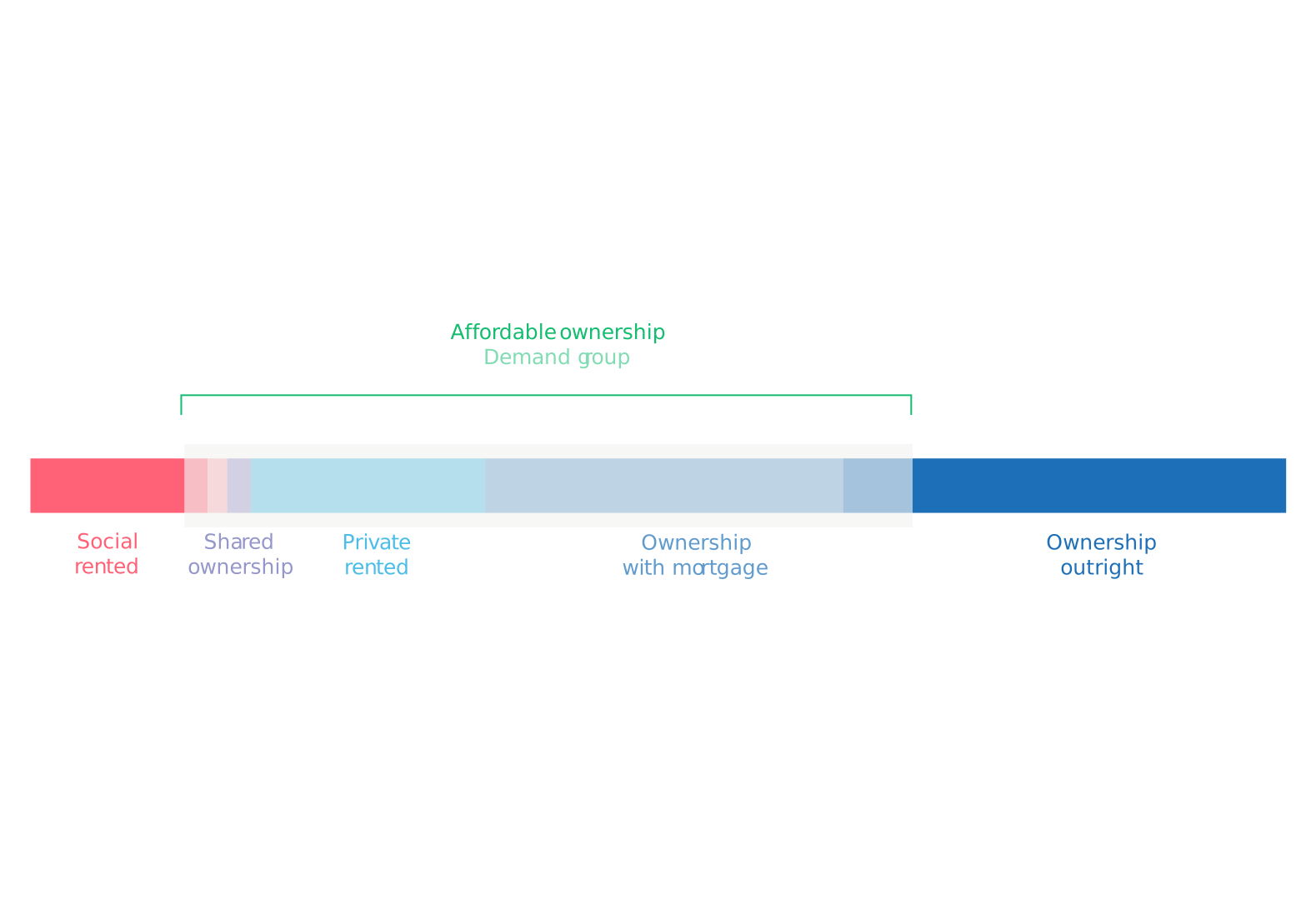
Communities and cities around the world have found a solution. The community buy the underlying land, then re-lease it as a permanently-affordable place to live, that families can own, for less. It's a proven, popular model, but most people have never heard of it. Our conversation about housing tenure is strangely binary – between affordable rent on one hand, and unaffordable ownership on the other. Fair, affordable ownership is the 'missing middle' of the jigsaw. It rewires our property system and its broken incentives and offers something that, to most people, just feels like common sense.
The goal of the Fairhold project is to make this type of home more normal, and more standardised. To grow a new market of well-loved homes that cost less, to bring more land into community stewardship, to improve the quality of our homes, and to give millions of families the opportunity to own a good, secure home.